

About:
🔧 Osteopathy:
Osteopathy is a form of manual therapy. I trace root causes of pain and dysfunction to skeletal displacements and utilize my sense of touch to realign the body. When bones and joints are out of alignment, they create muscle tension, joint compression, and organ impingement that causes pain, limits mobility, and impacts key bodily functions such as circulation, nerve signalling, organ performance, fluid fluctuation, digestion, lymphatic flow, hormonal regulation, reproduction, emotional well-being, and mental state. Through this understanding of how structure affects function, I use gentle, hands-on techniques to ease muscular and facial tension, correct skeletal displacements, relieve pain, and restore or enhance healthy function throughout the body, using methods that synchronize with your body’s natural breath and innate rhythmic motions.
💆 Cranial Osteopathy:
Is a specialized area within the field of Osteopathy that requires a highly refined sense of touch. It’s an art and science that I have refined through seven years of blindness and over ten years of hands-on clinical experience working with hundreds of head injury patients. The focus is to restore the natural rhythmic motion of the brain and nervous system by realigning the cranial bones of the skull. Many patients experience relief from headaches, migraines, and PCS symptoms. They also report improved clarity, deeper relaxation, and a greater sense of balance and well-being.
-
The skull isn’t a singular, solid structure. It’s made up of twenty-two individual bones, each connected by interlocking grooves and beveled edges called sutures. These sutures aren’t fused; rather, they function bio-mechanically as a complex system of joints. This allows each of the individual cranial bones to shift subtly, in micrometers, so that collectively the entire skull can articulate to accommodate for the rhythmic motion of the brain, the motility of the nervous system and the fluctuations of cerebral spinal fluid.
-
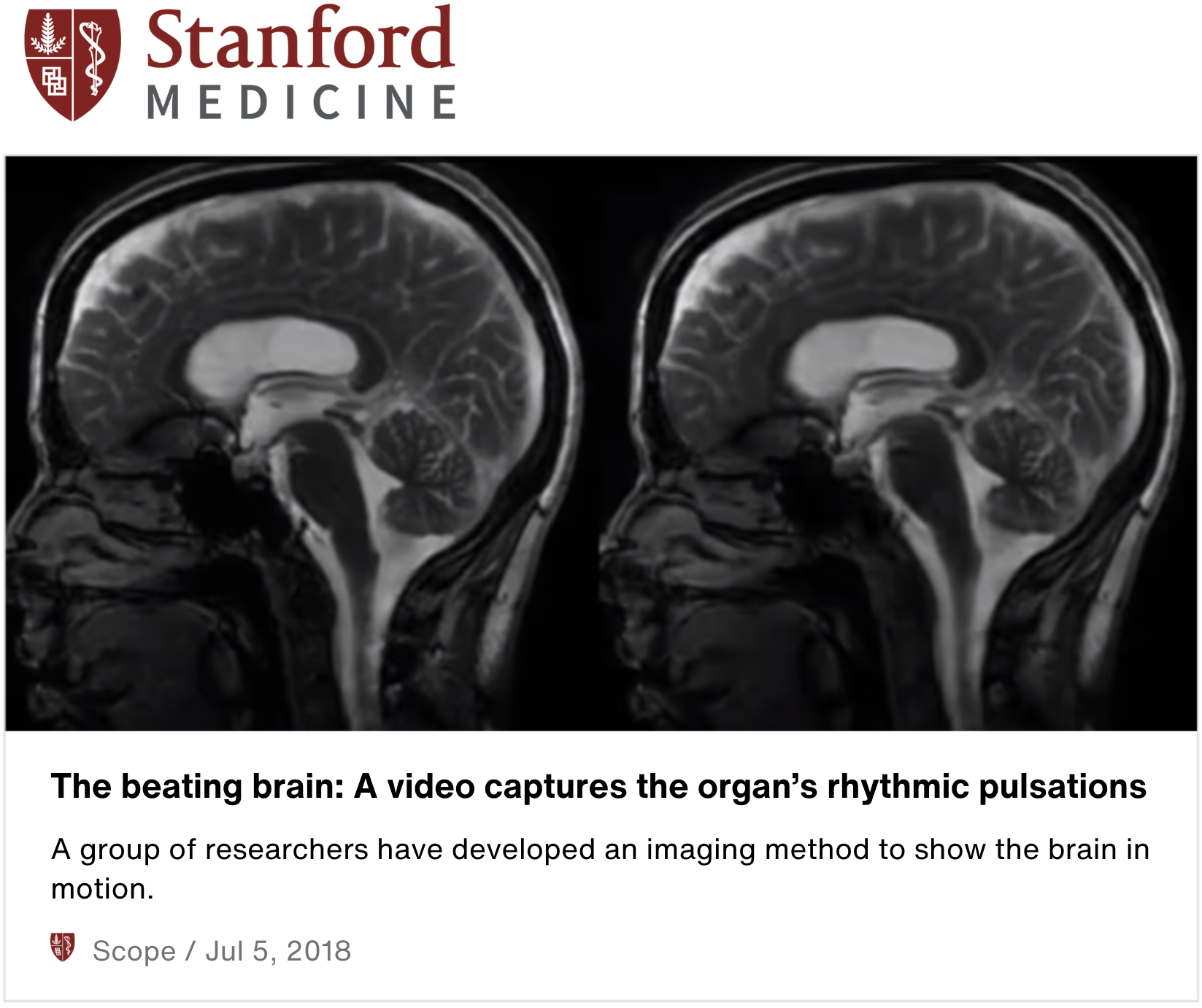
Dr. William Garner Sutherland, D.O. (1873-1954) theorized that the brain and nervous system are in a continuous state of rhythmic motion and motility. In 2018, Stanford University detected and recorded this ‘pulsation’ cycle of the brain using video MRI technology. This discovery proves Sutherland’s theory and can be seen on Stanford’s website by following the link below.
This rhythmic cycle consists of two phases; expansion and contraction, with the extents of each lasting 6 to 8 seconds. As the brain expands, it pulls the spinal cord and peripheral nerves in an upwards motion. As the brain contracts, it releases the entire nervous system elastically back downwards. This cycle repeats continuously and functions as the pumping mechanism that controls the fluctuations of cerebral spinal fluid (CSF).
-
When this occurs, it affects bio-mechanical functions within the sutures of the skull; trapping the brain and nervous system in a dysrhythmic state of spasm. I believe this is the root cause of PCS and various types of head injuries. Furthermore, my work is showing that symptoms can be fully reversed through cranial adjustments.
🫀 Visceral Osteopathy:
I use gentle, hands-on techniques to restore natural motion and balance to the organs and their suspensory connective tissues. Many patients find it helpful for easing abdominal tension, digestive problems, bloating, menstrual discomfort, shallow breathing difficulties, and other organ-related imbalances.
💪 Cupping Therapy:
Cupping and slide cupping techniques, using cold pressed castor oil to facilitate smooth gliding of the cups, may be incorporated into treatment as a tool to help release muscular, fascial, and subcutaneous restrictions. This allows for a smoother and more effective process of realigning the skeletal system.
This method involves the use of suction cups applied to the skin with a controlled electronic device, which allows for precise pressure to ensure comfort and effectiveness.
All cups and materials are thoroughly cleaned and sanitized before and after each use. The skin is assessed prior to application to ensure it is safe to treat, and comfort levels are checked throughout the process.
It is common for cupping to leave temporary, painless marks or mild discolouration, which typically fade within a few days or a week.
A warm, damp towel is used afterward to gently remove the castor oil and provide soothing heat.
😌 Autism and CNS Regulation:
Autism is closely connected to how the central nervous system processes sensation, stress, and internal signals from the body. Many autistic individuals experience heightened or fluctuating nervous system activity, which can affect regulation, comfort, sleep, digestion, emotional expression, and the ability to settle or focus.
Osteopathic treatment for central nervous system (CNS) regulation uses gentle, hands-on techniques to support the nervous system’s natural capacity for balance and adaptability. This work focuses on calming excessive sympathetic (fight-or-flight) activity and supporting parasympathetic (rest-and-digest) function, helping the body feel safer, more organized, and more at ease.
Sessions are quiet, slow, and highly attuned to the individual’s sensory needs. I work with subtle rhythms of the body, particularly the cranial system, spine, connective tissues, and breath to reduce strain, ease tension patterns, and improve communication between the brain and body.
Rather than trying to create physical change, the focus is to meet the nervous system where it is and provide subtle accentuations to promote a greater sense of embodied calmness. Over time, this can help create more space for rest, emotional regulation and sensory integration.
Each treatment is adapted to the person’s unique nervous system, preferences, and tolerance, with an emphasis on safety, consent, and predictability.